Wheelchair Assistance at the Airport: How to Request It, What's Free, and What Often Goes Wrong
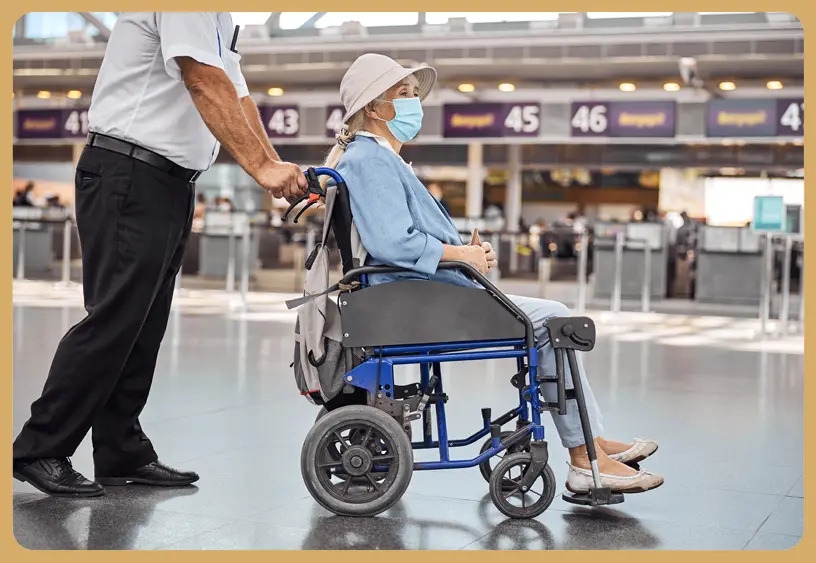
Most people only look into airport wheelchair assistance when they suddenly need it, whether for an ageing parent, after surgery, or because a long-haul journey involves more walking than they can comfortably manage. The service is widely available and legally protected in many countries, but understanding how to request it properly can make a significant difference to your travel experience.
Who Can Get Airport Wheelchair Assistance?
You do not have to be a permanent wheelchair user to qualify. Airport wheelchair assistance is available for anyone with reduced mobility, whether the condition is temporary, permanent, visible, or invisible.
- Older travellers
- Passengers recovering from surgery
- People with arthritis or chronic pain
- Travellers with heart or respiratory conditions
- Passengers with broken bones or temporary injuries
- Anyone unable to walk long distances through the airport
In many countries, including the United States, the United Kingdom, and across the European Union, airlines are required to provide wheelchair assistance without asking passengers to prove their disability.
How to Request Wheelchair Assistance
The best time to arrange wheelchair assistance is during the flight booking process. Most airlines include a "Special Assistance" or "Accessibility" section where passengers can request support.
If you have already booked your flight, you can usually add the request later by contacting the airline or the airport's assistance service. Ideally, the request should be made at least 48 hours before departure to allow staffing arrangements.
- Request assistance when booking whenever possible.
- If already booked, update your reservation by phone or online.
- Notify the airline at least 48 hours before departure.
- Specify exactly what assistance you require.
- Confirm assistance for every flight segment, including connections.
- Check in with airline staff on the day of travel so the service is activated.
What Is Free and What Is Not?
Airport wheelchair assistance is provided free of charge by airlines in most major jurisdictions, regardless of your ticket type or destination.
The complimentary service generally includes:
- Wheelchair transport through the airport terminal
- Assistance during check-in
- Help through security screening
- Escort to the departure gate
- Priority boarding assistance
- Support during connections
- Assistance after landing
However, the service does not include personal care.
- Feeding passengers
- Administering medication
- Personal hygiene assistance
- Helping passengers in the restroom
- Providing continuous personal supervision
Passengers requiring personal care are generally expected to travel with a companion who can provide that assistance.
What Often Goes Wrong?
Although airport assistance works well in many cases, delays and service failures do occur, particularly during busy travel periods and tight flight connections.
Some of the most common issues include:
- Wheelchair attendants not arriving on time
- Passengers being left waiting during connections
- Missed connecting flights due to delayed assistance
- Staff shortages during peak travel periods
- Damage to personal wheelchairs during baggage handling
- Communication failures between airports and airlines
Connection airports are especially vulnerable because assistance must be transferred from one team to another, increasing the chance of delays or miscommunication.
How to Protect Yourself
A few simple steps can significantly reduce the chances of travel disruptions.
- Reconfirm your wheelchair request during check-in.
- Allow extra time between connecting flights.
- Ask attendants to remain with you until the next staff member arrives.
- Keep a record of names, times, and any service issues.
- Report damaged personal wheelchairs immediately before leaving the airport.
- File a formal complaint if assistance is not provided as requested.
Documenting problems helps support compensation claims and encourages improvements in airport accessibility services.
When You Need More Than Standard Airport Assistance
Standard airline wheelchair assistance is free and suitable for many travellers. However, some situations require a higher level of support, particularly for elderly passengers travelling alone, complex international connections, or travellers with significant mobility challenges.
Private airport meet-and-greet services provide dedicated assistance throughout the journey, helping with baggage, check-in, security, immigration, and transfers without changing attendants during the trip.
If you want additional reassurance for yourself or a family member, Airport Assist offers dedicated airport assistance services at more than 1,000 airports worldwide, helping travellers navigate every stage of their journey with greater confidence.